Sally K. Norton

Vitality Coach, Speaker & Health Consultant

  • Home
  • About
    • Interviews, Talks, Media and More
  • Symptoms
  • Relief
    • Nourishment
    • Results
  • Science
    • Oxalate Basics
  • Books
    • Data Companion
    • The Essential Low-Oxalate Cookbook
  • Support
    • Upcoming Events
    • Support Groups
    • Shop / Downloads
    • Sign-up for News and Updates
    • Speaking and Presentations
  • Recipes
    • Fundamentals
    • Sauces and Condiments
    • Beverages
    • Finger Foods
    • Soups
    • Salads
    • Side Dishes
    • Meats and Seafood
    • Treats
  • Blog
    • Table of Contents
  • Contact

May 14, 2026 by Sally K Norton

Chronic Rash and Allergies: My Battle with Food Myths

Here Ruth shares her oxalate story. She highlights the mental and physical trauma of being misinformed. How could farm-fresh greens and other supposedly healthy foods cause severe rashes? In her efforts to take care of her body with nuts and bio-dynamic, fresh-picked vegetables, she unknowingly poisoned it. Take it away, Ruth…

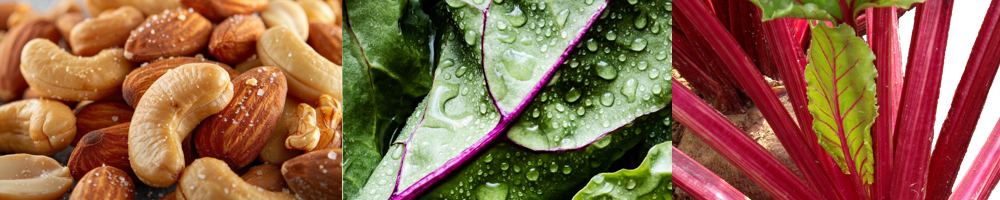
I was that person eating bags of nuts from Costco—at least a cup a day. I truly believed I was doing something good for myself. During the 2020 lockdown, most of my diet consisted of fresh, locally grown biodynamic vegetables. I was sure that I was protecting my health. I was brain washed to believe that these were “healthy foods.”

Looking back, it disturbs me how confident I was. I was so wrong.
My Annual Rash. Over and Over Again

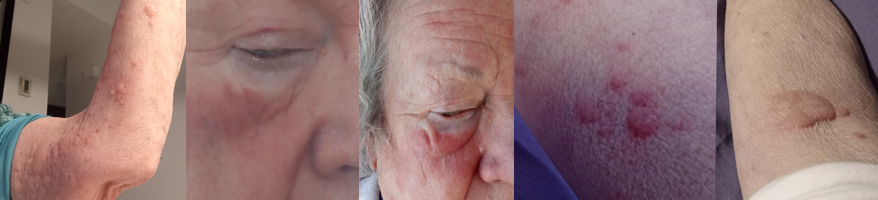
In 2019, I developed a severe, chronic rash that no one could explain. It followed a pattern—appearing every year from June through November, then mysteriously disappeared in the winter.

This went on for six years.

In the summers, my body would erupt. In the winters, when I was eating mostly grass-fed foods from the co-op, my skin would calm down. At the time, I didn’t connect those dots.

When the rash was active, it was punishing! My skin peeled, the burning and itching were relentless, and my sinuses were on fire. My eyes streamed constantly, leaving acid tracks down my cheeks. The glands in my neck swelled painfully.

I knew something was very wrong—but no one could tell me what. I went from doctor to doctor: a general practitioner, a dermatologist, two allergists. No diagnosis. No answers. Just confusion.

During that same period, my life narrowed. I felt ugly, old, and used up. I isolated myself during lockdown and poured my energy into writing a book. When it was finally released, my editor died. I envied him.
A Mini-Breakthrough

In January 2025, something new happened: extreme bloating. My abdomen became hugely distended, unlike anything I had experienced before.

I started a specialized probiotic supplement and stayed on it for four months. It felt like a miracle. The bloating dissipated and I had no rash. My body felt calm.

Healthy Eating Continued

But my diet hadn’t really changed. I was still drinking tea, eating at least half a cup of nuts daily, and including whole grains. Then, in May, my bio-dynamic CSA resumed—bringing back beautiful red chard, beets and beet greens, and spinach. I welcomed them back enthusiastically.

The Crash

By the second week of June, everything came roaring back—worse than ever. My body exploded. My neck swelled, my throat began to close, I could barely breathe, and I couldn’t open my eyes. It was terrifying.

At urgent care, I was prescribed Augmentin. I reacted badly to it. I refused cortisone and instead spent $4,000 on allergy testing, desperate for answers. The results showed… nothing. No meaningful allergies, except birch trees. After all that, I was right where I started.

Finally, an Answer

Late that fall, I reached a breaking point. I asked—spiritually—for help. In that moment, I remembered a book I had purchased but never read: Toxic Superfoods.

When I finally opened it, everything clicked. For the first time, my symptoms made sense. I realized I was dealing with oxalate toxicity. I immediately removed the major sources: spinach, chard, nuts, tea, and whole grains. I went back to simple grass-fed meat and dairy.

And then things got much worse. I think I nearly died. I developed intense headaches, swelling in my knuckles, tightness in my knees, and extreme tooth sensitivity. It felt like my body was unraveling.

But this time, I wasn’t in the dark. Sally’s book had explained that this could happen. As awful as it felt, it was confirmation.

Resistance and Resolve

I brought the book with me to several of the physicians I had seen before, hoping to finally have a productive conversation. Instead, I was belittled and dismissed.

I left those appointments angry—but also clear. If I was going to heal, I would have to take this into my own hands.

Where I Am Now

Five months later, I feel better than I have in over six years. But I’m not fully well yet.

Looking back, I can see this didn’t start recently. The pattern likely began in my late teens—with completely different symptoms. I’m now 82. This has been unfolding for many decades.

I’ve always loved my body and felt connected to it. But now I carry a sense that I let it down—by unknowingly poisoning it with foods I believed were healthy. Like most people, I had no idea there could be a dark side to these “superfoods.”

Even now, my thinking tries to revert back—to assume these foods must be good for me. But my body tells a different story. Changing those beliefs has been one of the hardest parts.

I am deeply grateful for Sally’s book explaining what’s been happening—and for finding others in this situation. This realization has been one of the most amazing, important discoveries of my life.

Postscript: A Lifetime of Clues

When I look back, the signs were always there—they were just dismissed. At age 3, I had eczema, an inflammatory condition. In my teen years, severe undernourishment and was advised to eat spinach after receiving vitamin shots. Later, I was diagnosed with von Willebrand’s disease, which I now believe may be connected to longstanding issues with oxalates, bleeding, and digestion.

There has been a long history of surgeries too: Appendectomy 1951, Cholecystectomy 1972. D&C 1979, Hysterectomy 1980, Scar revision 1980, Oophorectomy 2005. Perhaps I could have had better health all along if I had known to avoid high oxalate foods, or at the very least, not expect them to make we well.

Sally Gets the Last Word

Ruth struggles not just with the pain of rashes, and the long recovery process, but even so more with her thinking that wants to “revert back to assuming these foods must be good for me.”

Ultimately, the mental trance that gives toxic superfoods a pass has be broken. While we get stuck in group-think, our bodies tell us a very different, and more truthful story. Lived experience is real. Maybe Ruth’s story will help you break the hold of ideas that are secretly making us sick.


February 10, 2026 by Sally K Norton

Cynthia’s Oxalate Story

Hello, I’m Cynthia. I am 59 years old. I’ve always battled cravings for sweets—especially chocolate, which was a constant in my life. From childhood, staples of my diet consisted mainly of pasta, peanut butter, and potato chips. Every so often, I’d try to eat healthier by cutting back on fat, giving up chips, and adding more fruits and vegetables to my meals.

Ten years ago, in 2016, after watching documentaries on Netflix, I decided to prioritize my health. The movie that most inspired this change was entitled Fat, Sick & Nearly Dead. This documentary tells an emotional story of two men breaking their addiction to processed foods through a 60-day juice fast. The idea of the fresh fruits and vegetable fast is to reset your system. That helps you lose weight and reverse diseases.

Healthy Diet Failed

Following that advice led me to a disastrous year of veganism. I was confident that plant foods were good for me, so I ate my favorites—peanut butter and dark chocolate—daily. The results were nothing like what was promised. Rather than improving, my health declined into brain fog, pain, skin problems, constant hunger, and difficulty losing weight. Misery had set in, to stay.

The solution was a shift to a low-carb, keto-style Paleo diet. Initially, I lost some weight and felt better, but something was still very wrong. I could never get into ketosis. I was eating mountains of almonds and almond flour, 85% dark chocolate, chia seeds, sweet potatoes, and huge bags of sautéed spinach that, when cooked, shrank to nothing. Discipline kept me on this keto diet, for years!

That created a massive oxalate overdose.

I was plagued with persistent health issues like fatigue, memory problems, pain, and anxiety. Switching to an all-meat carnivore diet in 2022 caused even more symptoms, which I later learned were caused by oxalate dumping triggered by removing all those high-oxalate foods.

I’m still deep in the clearing process, and it isn’t easy. But at least now I understand why. I’m finding my way back to my life and starting to have good days again—evidenced by my return to pickleball.

Cynthia is Back to Pickleball.

Lessons Learned

Looking back, I realize that my previous diet significantly harmed my health and career. Now, I know that no “superfood,” including chocolate, is worth the price: sacrificing my overall well-being.

I was misled about “healthy” eating, and as a result, I’m disillusioned with the medical field that I devoted my life to as a nurse. This experience showed me that many patients suffer from diet-driven issues that remain largely ignored in a system that rarely treats food as a root cause.

July 28, 2018 by Sally K Norton

What’s a Dangerous Oxalate Level?

Don't risk a dangerous oxalate level

Easy to Over-Do It, Easy to Fix It

Your go-to foods could pave the way for a dangerous oxalate level in your body and lead to very real health problems. Consider these common examples of popular foods that make it way too easy to overdo oxalate:

Are you into peanut butter, chia seeds, seeded wheat bread, sesame crackers, or nuts? If so, you could be eating a dangerous level of oxalate.

Do you reach for spinach for your salads, as a quick-cook side dish, or the tastiest way to green up your smoothies?

Do you like potatoes? Chips, fries, baked, or mashed? Perhaps you like the “healthier” sweet potato chips and fries?

Do you love black beans in your burritos?

Do you like second helpings or “super” serving sizes?

These days, we have at least three factors working against us:

  1. the ubiquity of high oxalate foods,
  2. the frequency with which we eat them (it’s easier than ever to make potato chips or french fries daily fare), and also
  3. restaurant portion sizes that get us in trouble.

Eating quick-and-easy means reaching for nuts, peanut butter, or chips. Eating out, well . . .

Hard-to-Resist Super-Sized French Fries

Many restaurants jumbo size their standard french fry order as cheap advertising. You see, it costs them only pennies to wow the customer and offer a memorable experience that they’ll tell others about. Take Five Guys, for example*. Famous for giant piles of fries, their regular fry order weighs a gargantuan 411 grams—almost a pound! About 5 years ago, Five Guys expanded their menu with a “Little” order of fries. Weighing in at 227 grams (½ lb.) a “Little” Fries order is still too big: it’s easily enough for two people.

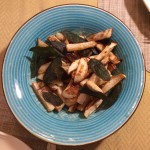
Fried turnip sticks with crispy sage

Instead of standard fries, try my oven-fried turnips

Unfortunately, your body takes a hit with the 100 mg of oxalate that comes with the “Little” fry order. If they were made with sweet potatoes: a “Little” fry order would deliver 164mg of oxalate.* For perspective, consider this: 150mg is the amount that medical researchers claim is our typical all-day consumption of oxalate in food. Does that ring true to you? On the days you have the “Little” fry order, is that the only plant food you eat all day? (Hint: add at least an additional 12mg oxalate from the white hamburger bun with sesame seeds on it, and another 3 – 5mg for toppings such as tomatoes.)

The ubiquity of “would you like fries or chips with that?” encourages us all to make potatoes a too-frequent, regular thing. But, you don’t need to eat out frequently to get into a high oxalate food habit, it can happen to anyone. Just fall in love with the wrong food. It’s sort of arbitrary. Few people seem to understand that the danger of regular excessive oxalate consumption is not just theoretical. Check out Sam’s story.

Unlucky in Love: Sam

Sam was an author, naturopath, amateur tennis player, and successful business man. He loved the flavor of buckwheat. He ate it every single day, for many decades. He also liked spinach omelets, and frequently ate almonds as snacks. On Sam’s typical day, these three foods alone could have contributed at least 775 mg of oxalate to his total intake (1 cup cooked buckwheat 180mgª & 3/4 cup raw baby spinach 480mg § & 1 oz. almonds 115mg §). Despite his expertise in health, Sam was unaware of the damaging effects of eating high oxalate foods, nor did he know that his go-to foods have so much oxalate.

Let’s fill in the rest of his daily diet. In addition to these favored anchor foods, it’s possible that he also ate:

(at least) one slice of multi-grain wheat bread (16mg) with his omelet,
at least ¼ tsp black pepper (4mg) over the course of the day;
a cup of black or green tea (25mg)
a few carrot or celery sticks (15mg);
a peanut butter snack (50mg / 2 T);
½ c of brown rice with dinner (10mg);
green beans (18mg/ ½ c boiled)
a tiny bite of milk chocolate for a treat or dessert (20mg/½ oz.).

A day that included all these foods would bring Sam to a total intake of 920 mg of oxalate. That is a potentially dangerous oxalate level in only a modest amount of food.

The Trouble with Healthy Food

I learned about Sam’s love of buckwheat, almonds, and spinach omelets on Dec. 29, 2015. Sam called me after reading my article: “When Heathy Isn’t”. He told me that he had been struggling with a set of problems he called “chronic break down”—including attacks of severe muscle soreness in his upper back, neck, and his upper buttock muscles. The debilitating pain would come and then disappear without rhyme or reason. Sometimes it involved severe muscle weakness that would make movement nearly impossible. This was distressing and embarrassing to an accomplished tennis player and health expert.

After reading my article Sam had a “eureka” moment. At last, in his late 60s, he learned of a critical missing piece in his understanding of the health effects of foods. Sadly, Sam died less than 2 years later, despite his devotion to healthy living, a happy marriage, and a thriving business. Based on our conversations, I know he believed that a lifetime of high-oxalate eating contributed to his early passing.

Counting a Daze-Worth of Oxalate

Take a look at the table below. It imagines a diet based on Sam’s favorite meals and snacks and compares it with another menu that some other man might have selected. Neither person selected his foods with oxalate in mind, but the difference is astounding – Sam’s diet is 14 times higher in oxalate. A full gram of oxalate in a day is a toxic level of oxalate exposure!
MealSam (mg Oxalate)Low-Ox (mg Oxalate)
Breakfast ½ C buckwheat (180)
¼ C Raspberries (18)
½ C whole Milk (0.5)
1 C black tea (24)
1 C Rice Chex™ (8)
½ C Blueberries (4)
½ C whole Milk (0.5)
Unflavored Coffee (2)
Breakfast Total22215
LunchSpinach Omelet with Salsa
3 eggs (0)
¾ C baby spinach leaves (480)
1/8 tsp. black pepper (2)
¼ C Picante salsa (10)
1 slice multi-grain toast (16)
Butter (0)
1 med. Anjou pear (20)
1 C Whole Milk (1)
Cheese & Shrimp Quesadilla
Cheese (0) Mushrooms, canned (¼ C) (0.3)
Baby Shrimp (0)
White Flour Tortilla (10).
Corn salsa:
½ C corn (2)
2 T red onion (0.5)
2 T red bell pepper (0.25)
½ clove garlic (0.1)
2 tsp. lime juice (0.2)
2 tsp. olive oil (0)
¼ tsp. chili powder (2)
¼ tsp. cayenne (1.5)
Apple and Banana Fruit Bar (3)
Lunch Total53020
Snack1 oz. almonds (115)Cheddar cheese (0)
6 saltines (6)
Snack Total1156
DinnerHomemade chicken soup made with: chicken (0)
½ carrot (5)
½ stalk of celery (5)
¼ C ckd. brown rice (5)
¼ C boiled green beans (10)
½ C raw curly kale (10)
1/8 tsp. black pepper (2)
1/8 tsp. celery seed (4)
½ tsp. dried oregano (4)
1 Tbs. fresh basil (3)
½ oz milk chocolate (20 +)
Baked Chicken seasoned with Shake 'N Bake™ (4)
1½ C Caesar Salad: romaine (1.5), croutons (3.5), dressing (1.5)
½ C cooked mustard greens (6)
½ C buttered white rice (3)
5 oz. red wine (0)
½ C red grapes (2)
Dinner Total7022
Evening Snack1 Clementine (19)
1½ T peanut butter (36)
5 Keebler Toasteds® Sesame crackers (21)
6 oz. vanilla yogurt (6)
Evening Snack Total756
Daily Total1,01270

Who’s Looking Out for Us?

Health authorities have dropped the ball. As a result, no one is paying attention to the oxalates in our food and how the amount we’re eating has been creeping up and up and up. We’re paying a price for our ignorance about what we’re eating.

Don’t wait for some official warning. Oxalate is a toxin. Unlike most environmental poisons, this is one toxin that is within your control to avoid. Don’t let your health depend on a roll of the dice. Get started.

Note: You may have good reasons for avoiding Rice Chex™, Shake ’N Bake™, or other packaged foods (check out my recipes!). The point here is that commonly eaten foods can be very high or very low in oxalate, and nobody is aware of the difference.

*reference http://www.fiveguys.com/-/media/Public-Site/Files/FiveGuysNutrition_Aug2014_CAN_E.ashx (Oxalate estimates are based on tests of Russet / Idaho potatoes and frozen fries performed at the University of Wyoming 2011, and 2015)

ªcalculation based on 86g uncooked weight and average of known tests of buckwheat and buckwheat flour which equal 133 + 270/ 2= 202mg/100g

§based on VP Foundation data published in their Newsletter

Search on SallyKNorton.com

Shopping Cart

Number of items in cart: 0

  • Your cart is empty.
  • Total: $0.00
  • Checkout
Click to sign up for email list

Upcoming Events

  • Group Meeting and Presentation

    August 12, 2026 @ 1:00 pm - 3:00 pm
    US Eastern Time
    See more details

  • Group Meeting and Presentation

    August 25, 2026 @ 10:00 am - 12:00 pm
    US Eastern Time
    See more details

  • Carnivore Live Conference, Adelaide, Australia

    September 12, 2026
    US Eastern Time
    See more details

  • Group Meeting and Presentation

    September 18, 2026 @ 9:00 am - 11:00 am
    US Eastern Time
    See more details

Connect

  • Home
  • About
  • Shop
  • Recipes
  • Support
  • Blog
  • Contact
  • Table of Contents
  • Privacy Policy

Visit Sally’s Other Sites

  • YouTube
  • LinkedIn
  • Facebook
  • Instagram

Copyright © 2026 — Sally K. Norton • All rights reserved.

Loading Comments...